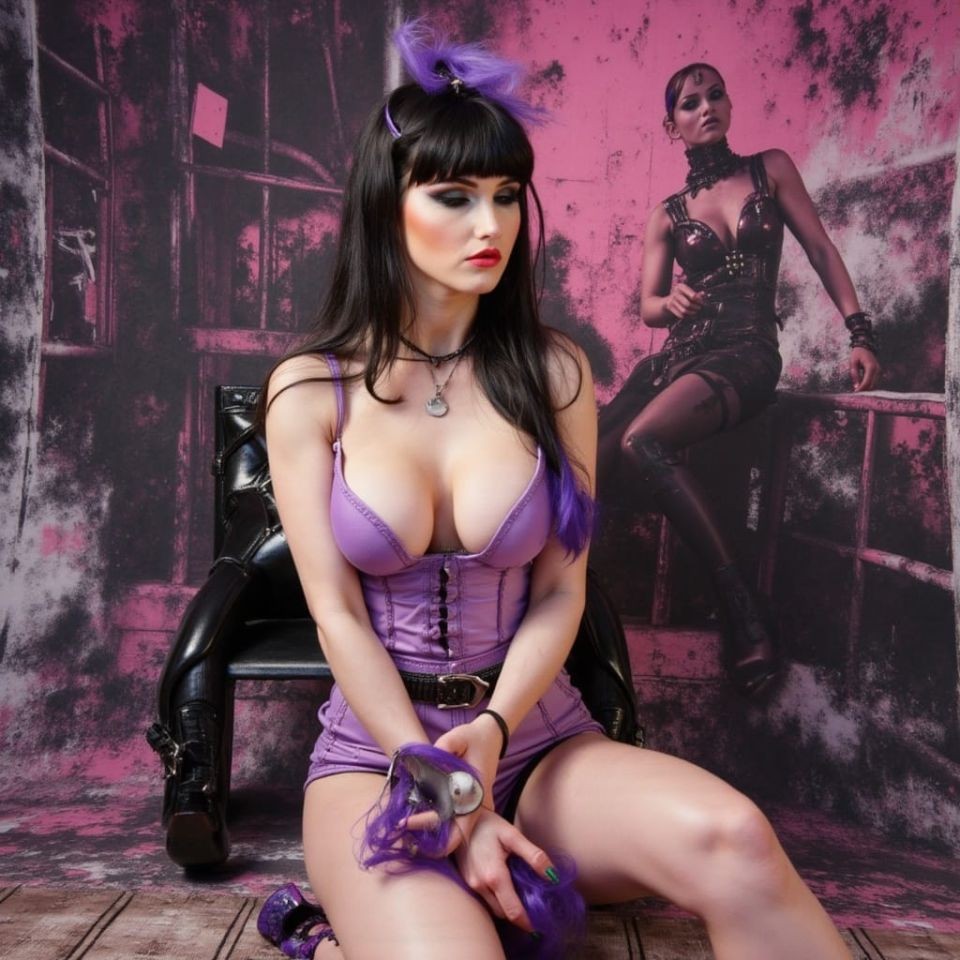
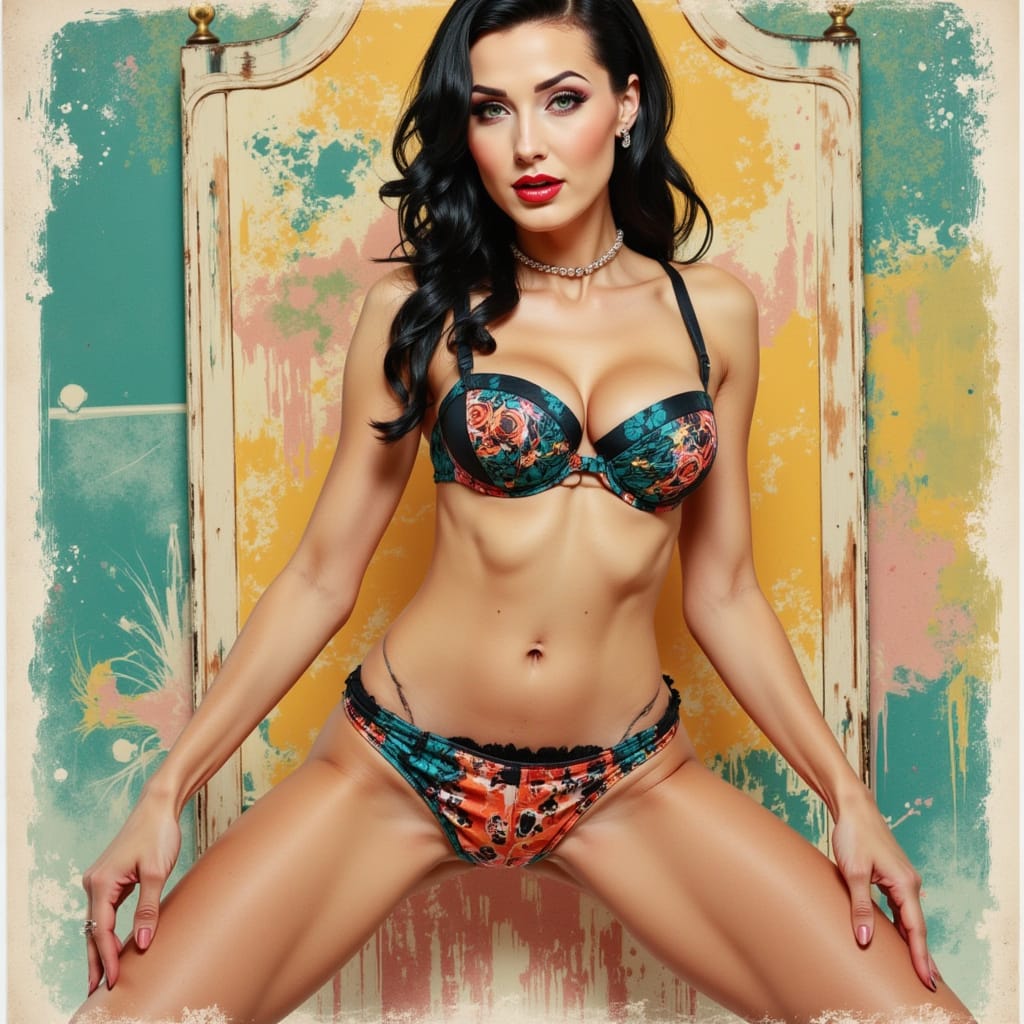
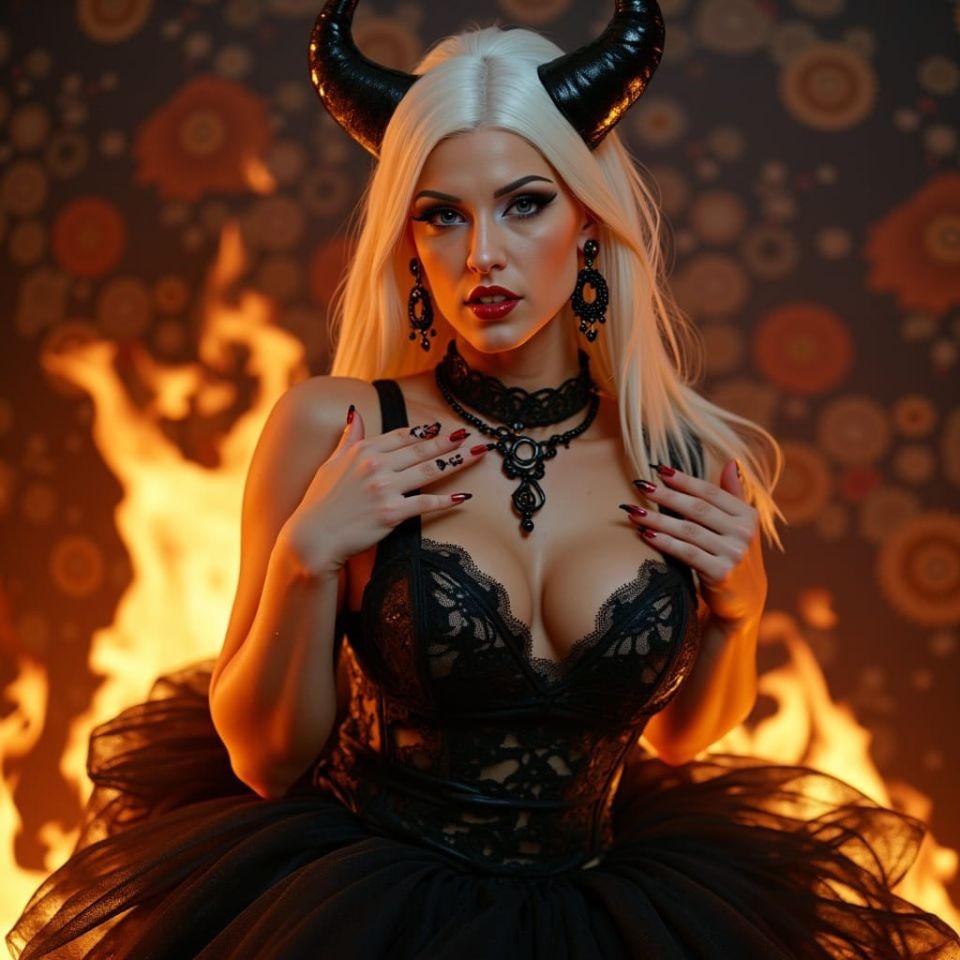
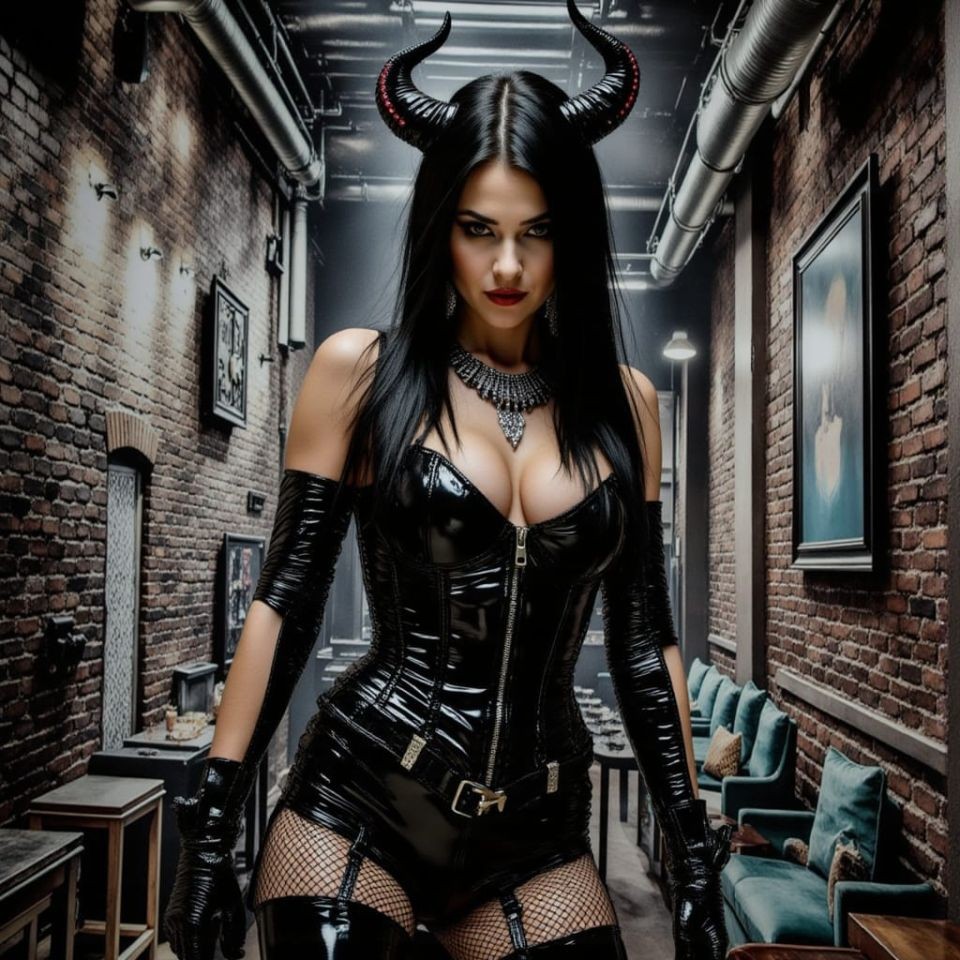
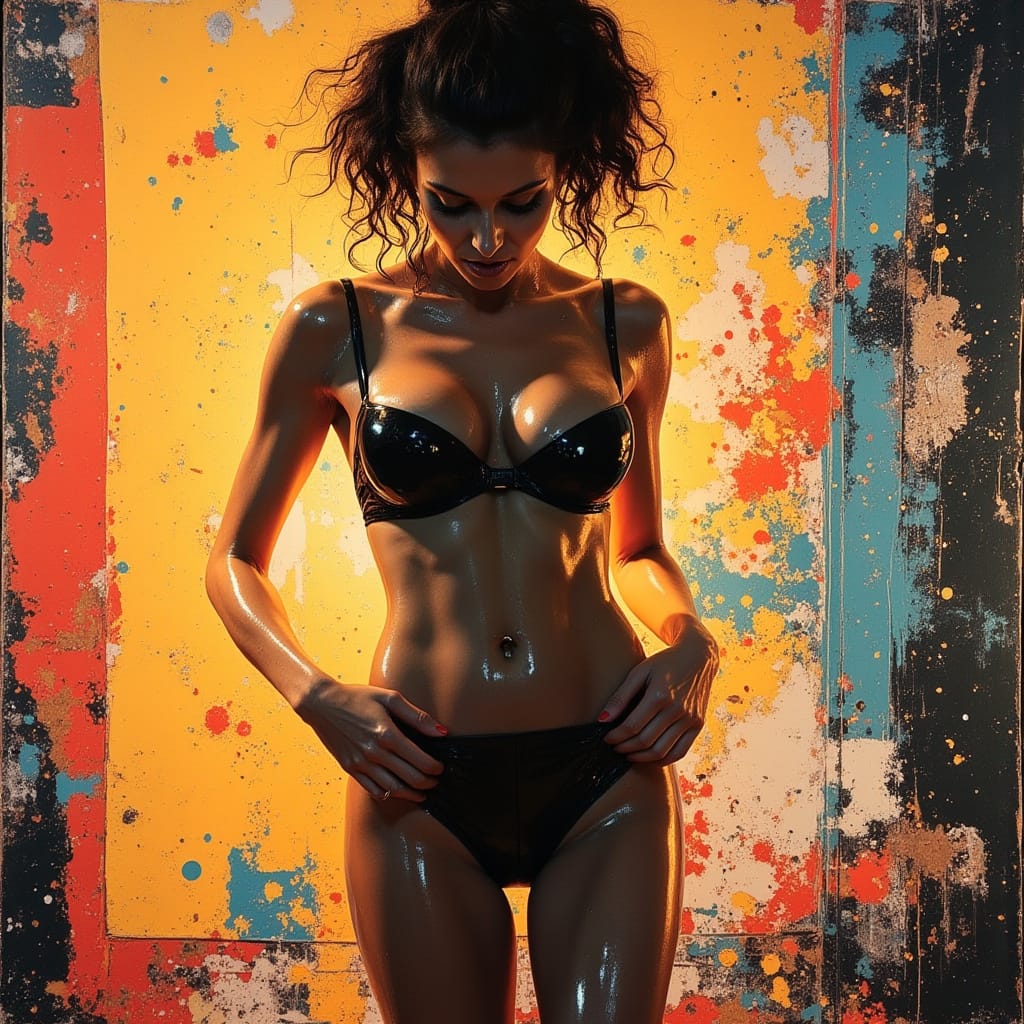
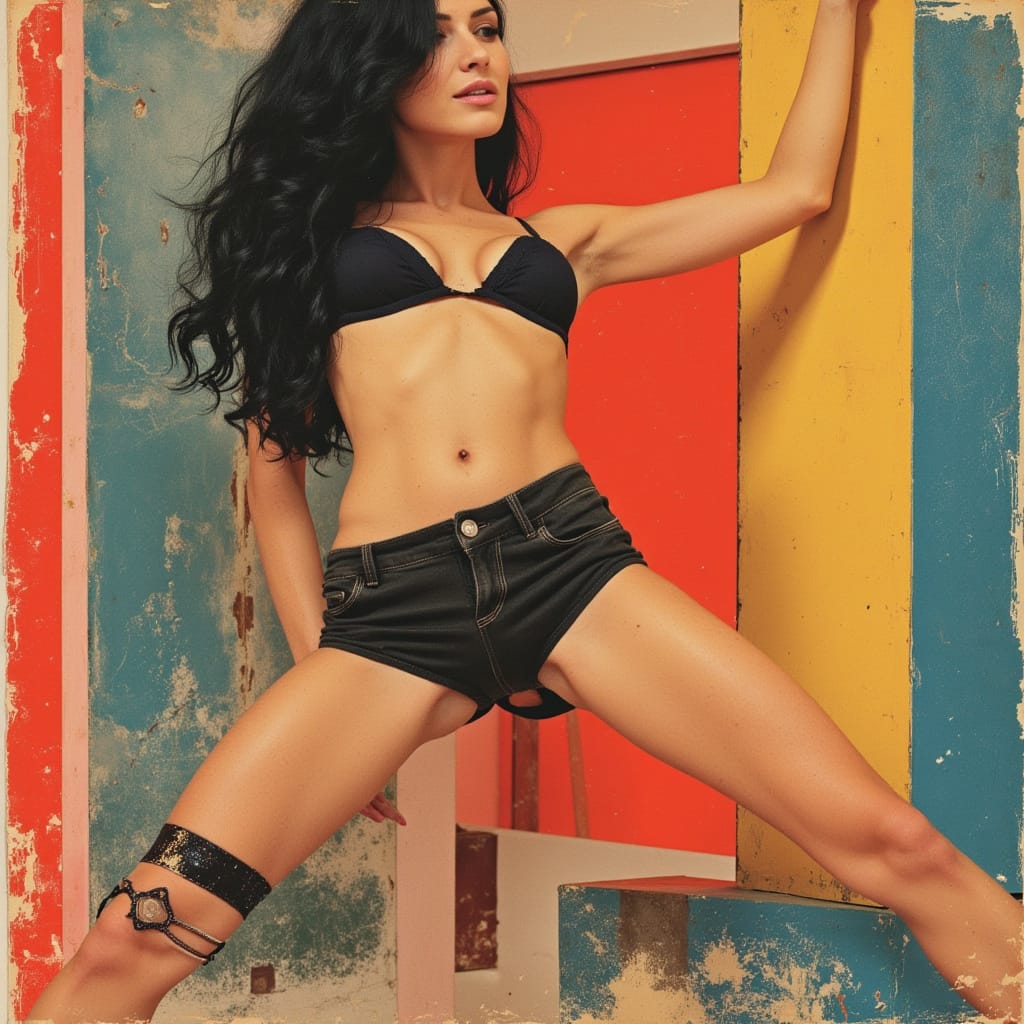
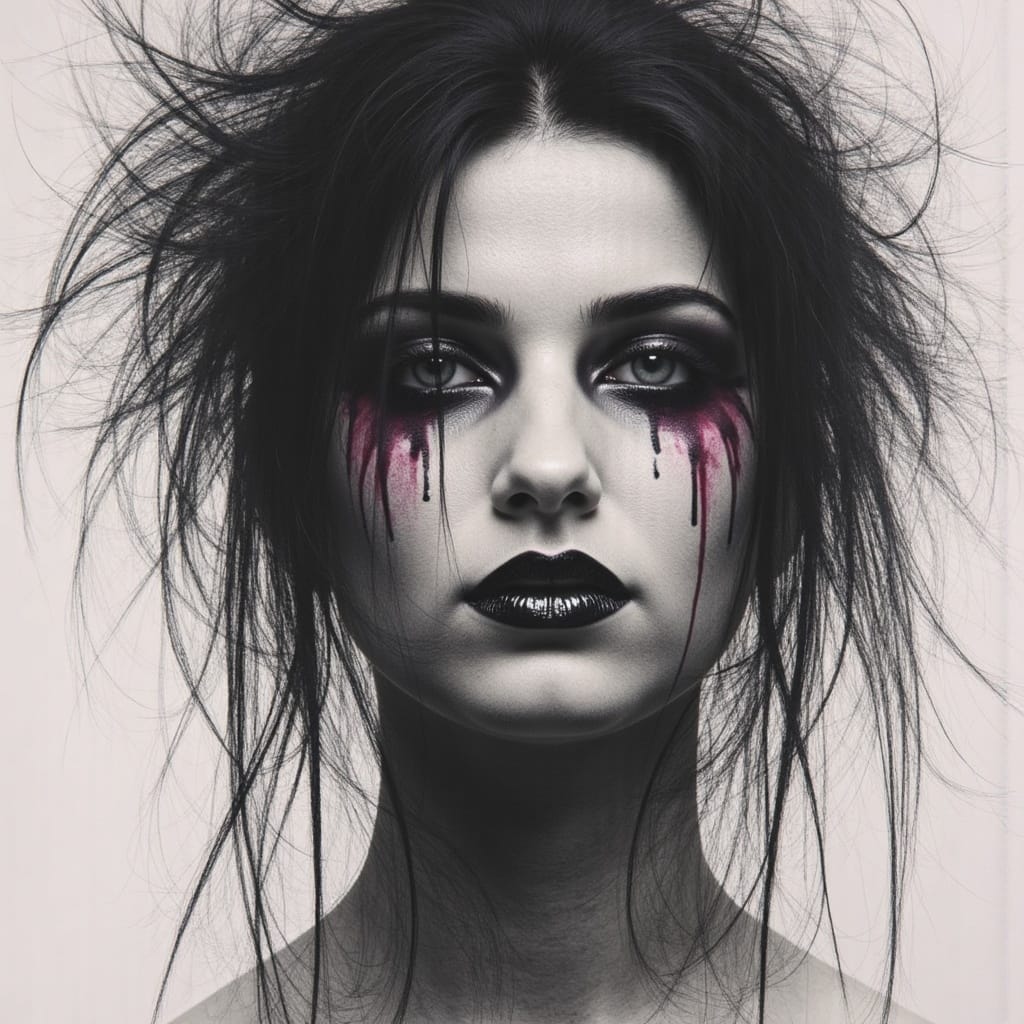
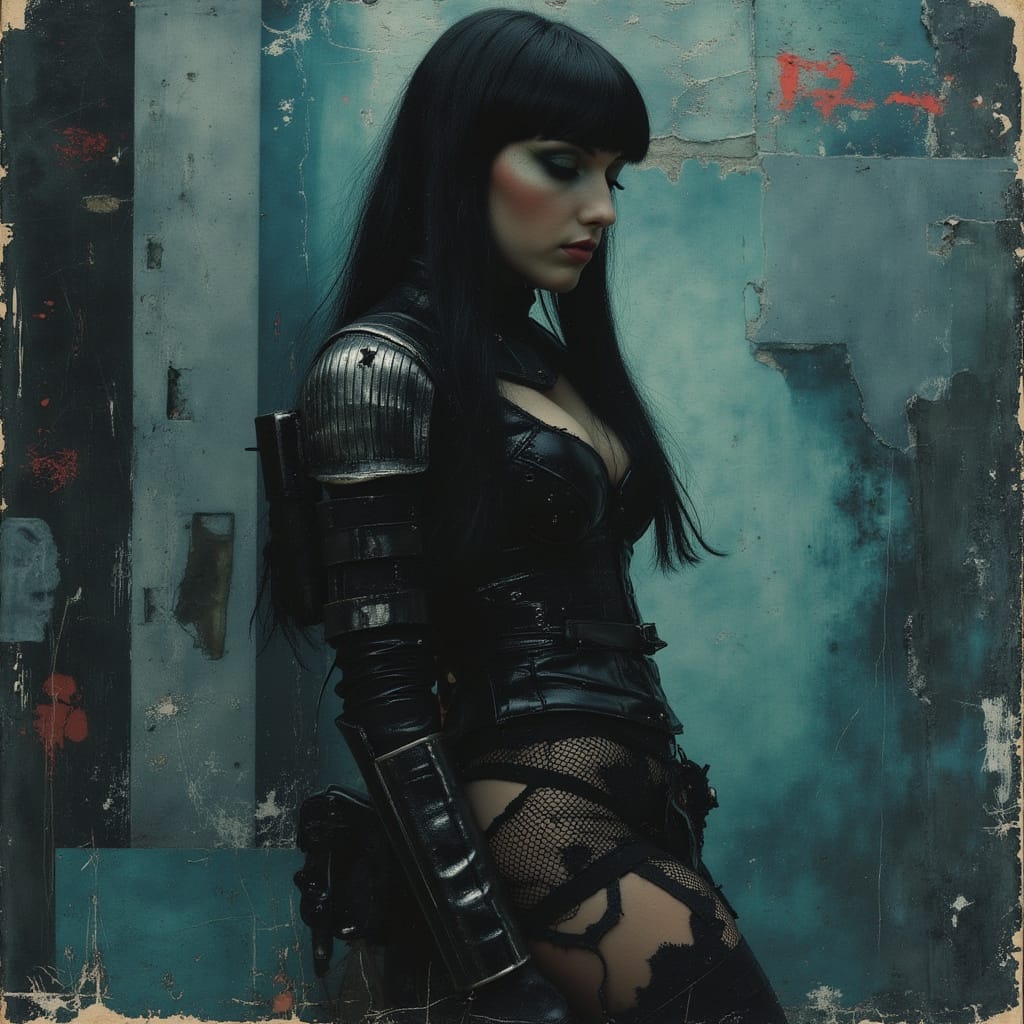
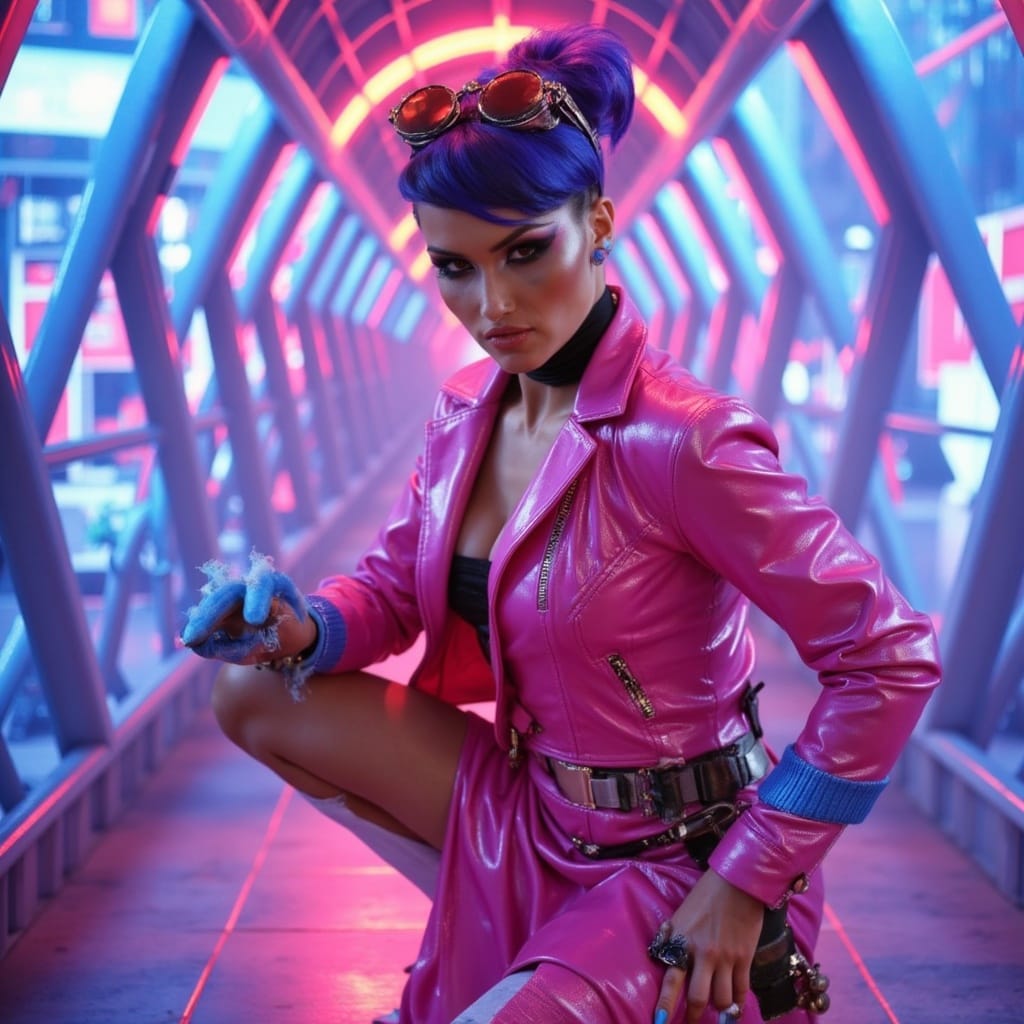
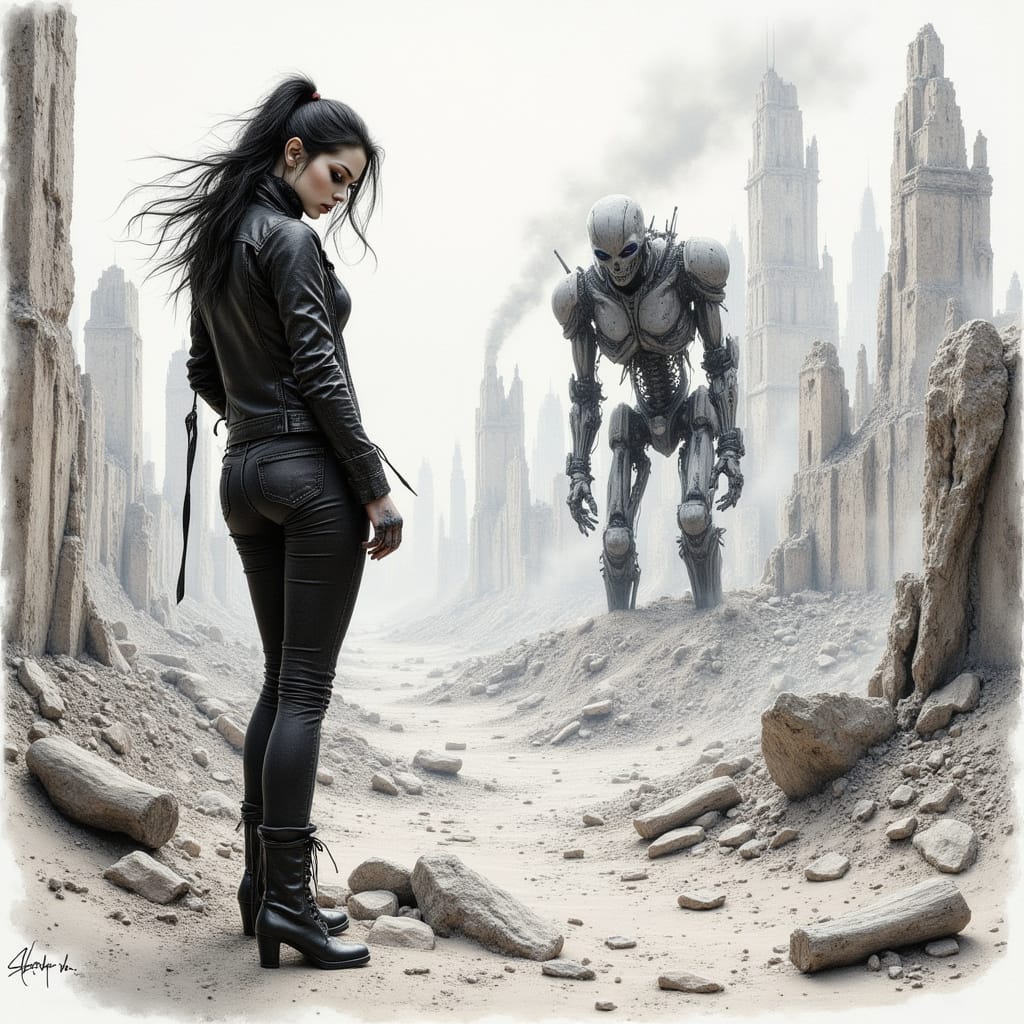
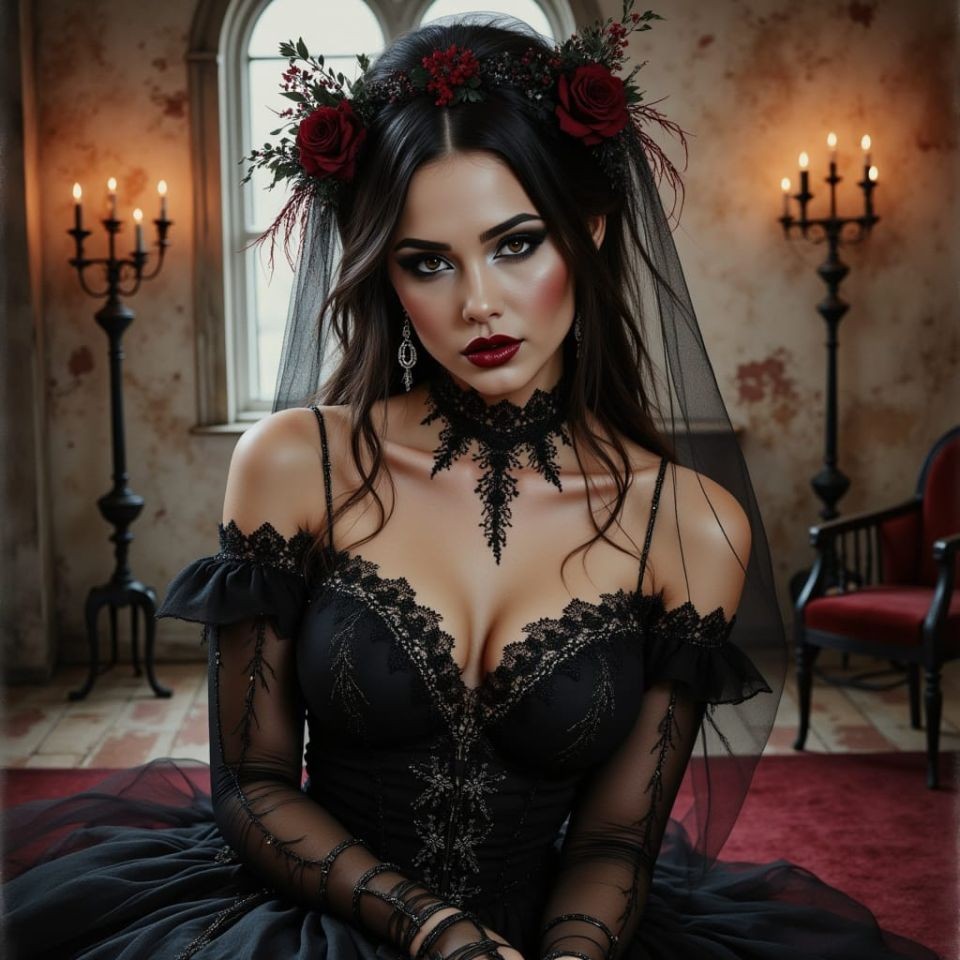
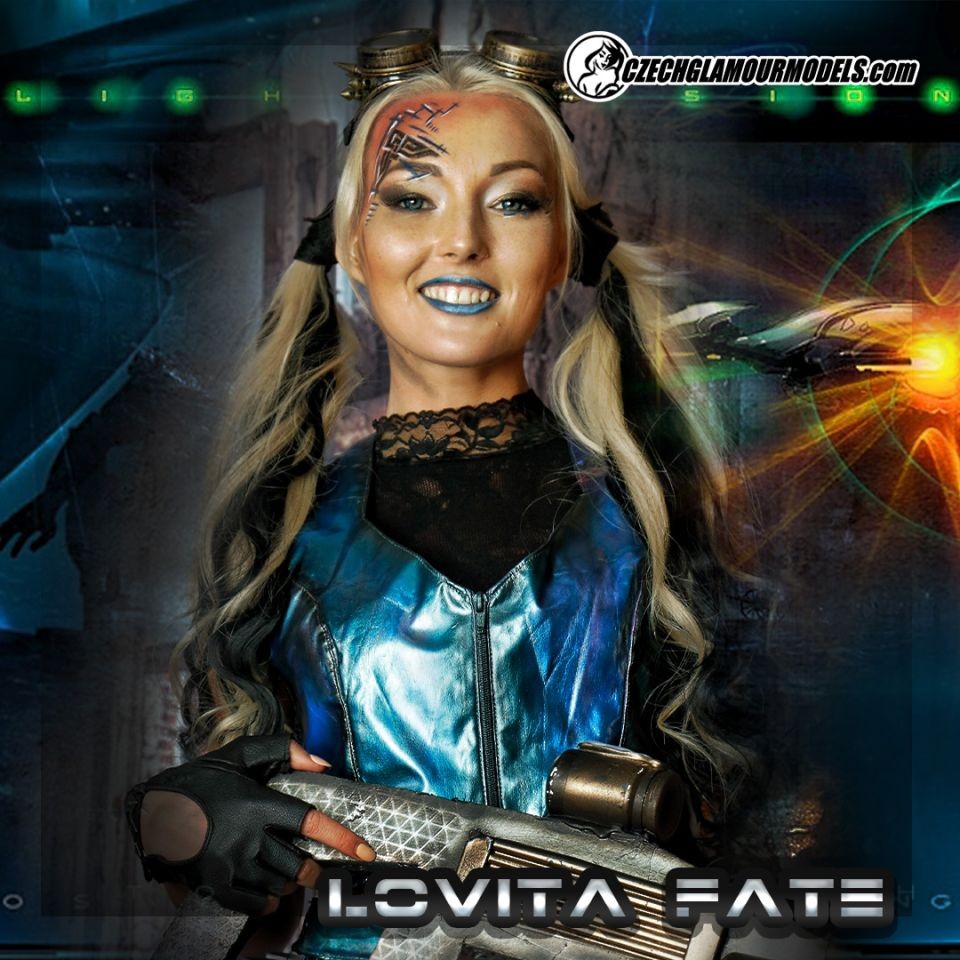
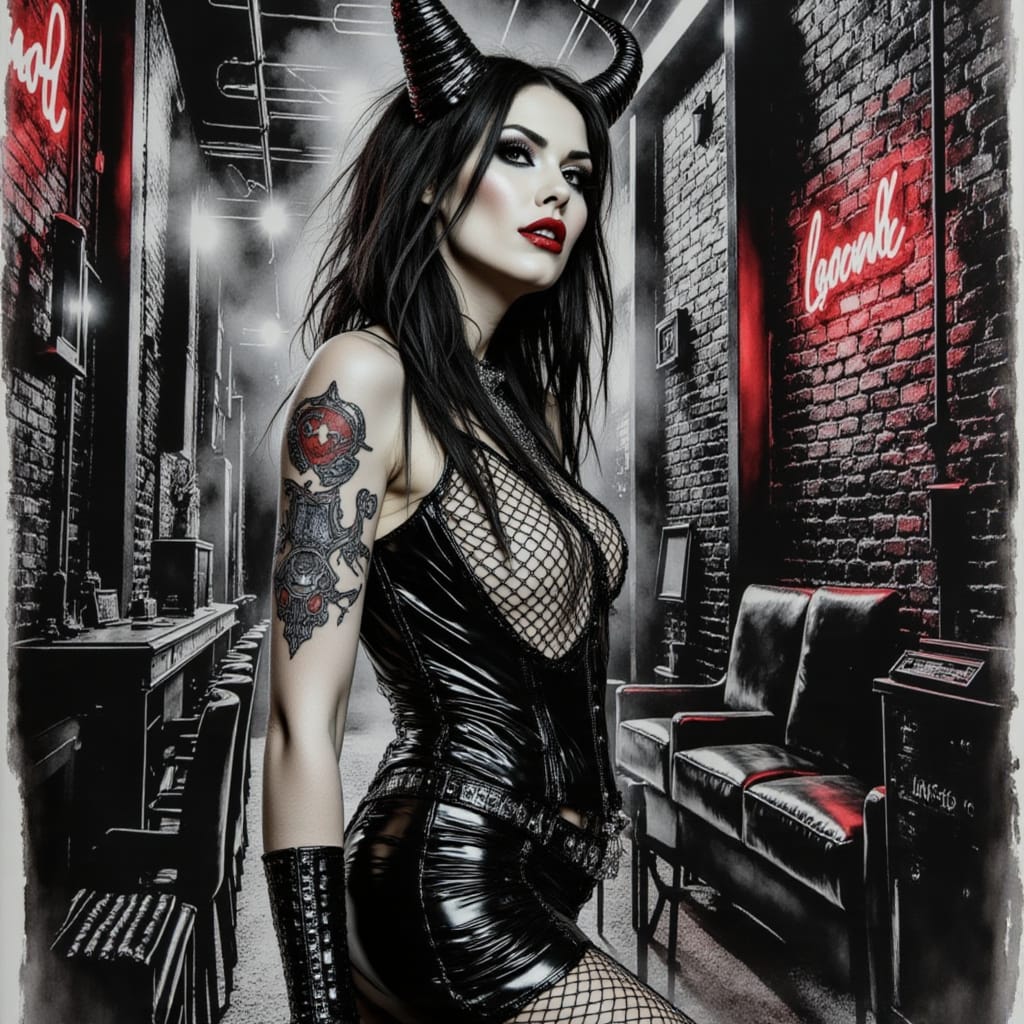
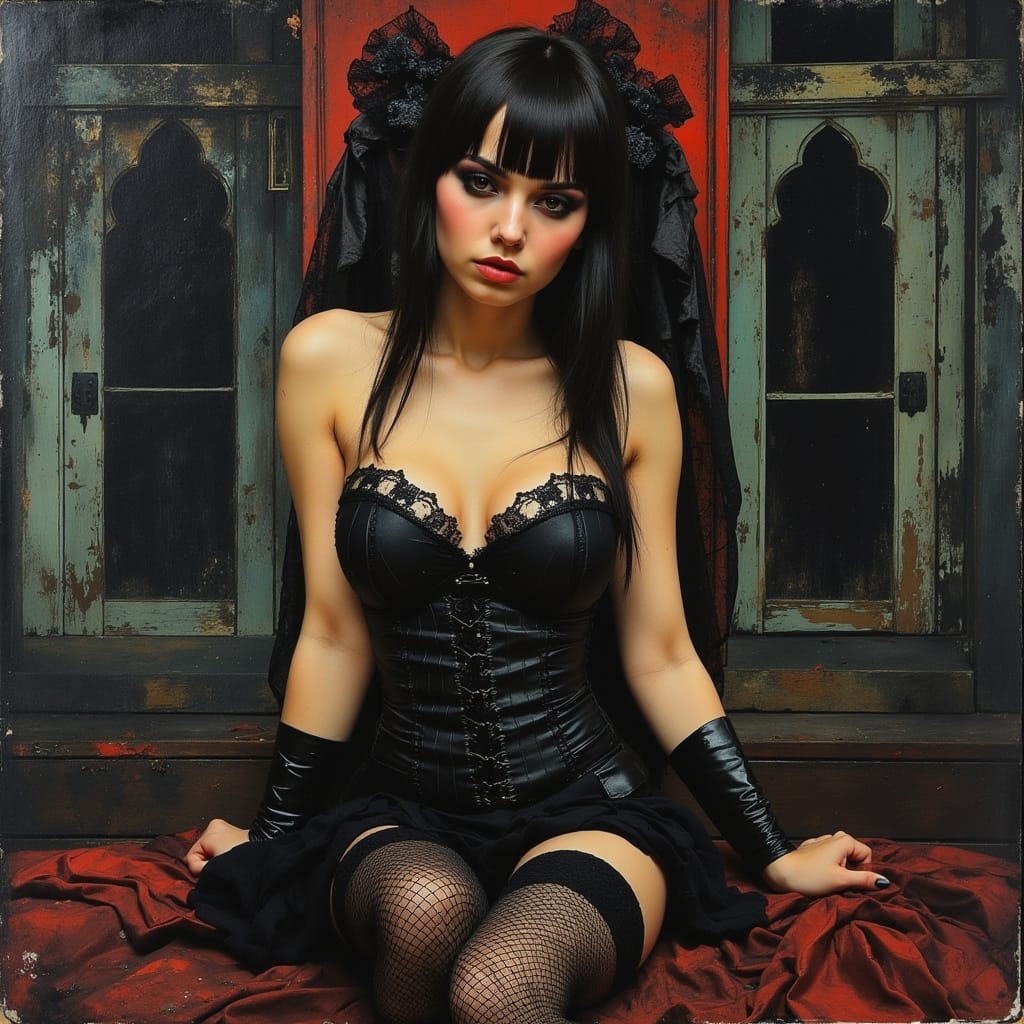
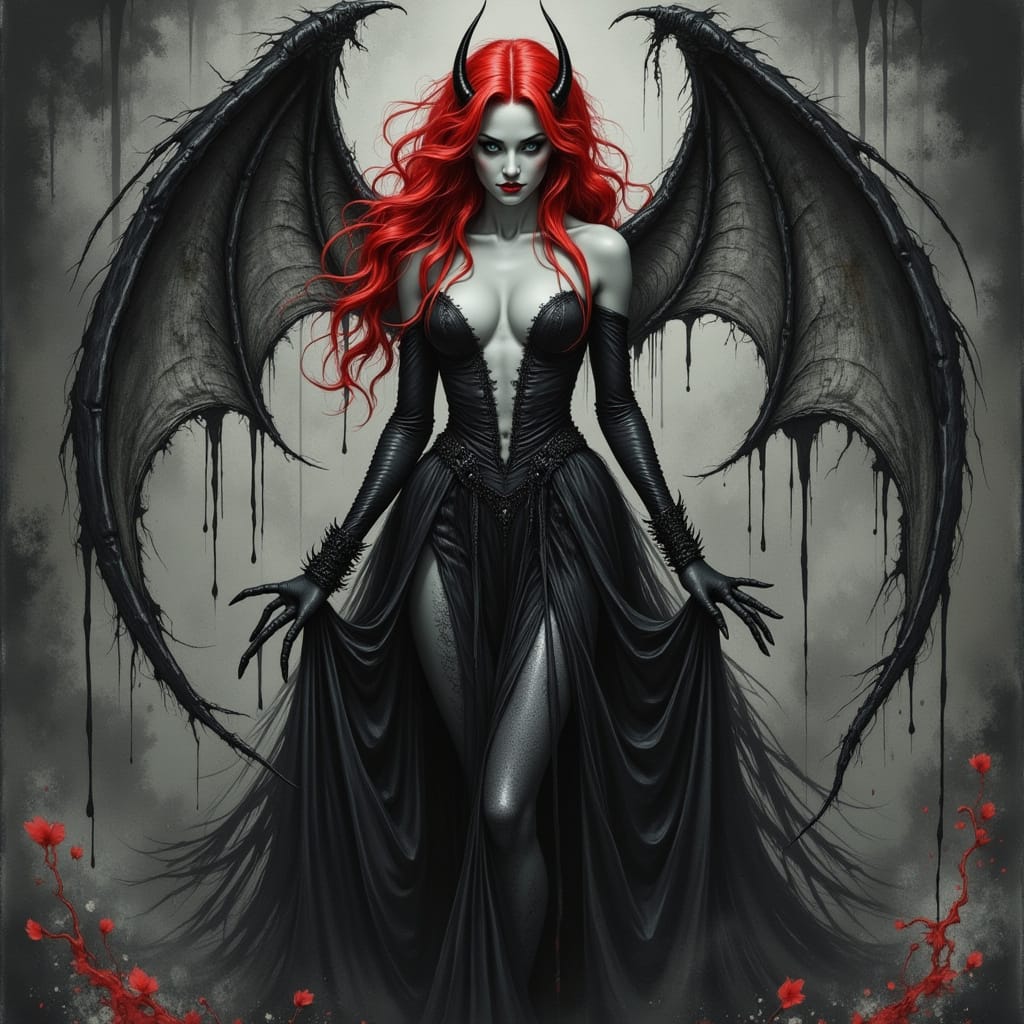
In the vibrant heart of Prague, a unique artistic vision is taking shape, challenging conventional notions of beauty and pushing the boundaries of visual storytelling. At the forefront of this movement is "Devils Dolls," a captivating dark beauty art project helmed by the multi-talented Vaclav Vlasek – photographer, cameraman, designer, and the visionary owner of Bravo Models Media s.r.o.
Vaclav Vlasek: The Mastermind Behind the Lens
Vaclav Vlasek is not just a photographer; he is a comprehensive creative force. His "Devils Dolls" series exemplifies his distinctive aesthetic, where the allure of the enigmatic intertwines with striking elegance. It's a testament to his ability to craft narratives and evoke powerful emotions through his lens, designing every aspect from concept to capture. This boundary-pushing art is a signature of his studio's capabilities, demonstrating a profound understanding of light, shadow, and human expression.
Bravo Models Media: Prague's Premier Visual Content Studio
"Devils Dolls" is a shining example of the artistic prowess housed within Bravo Models Media s.r.o. Located in the picturesque Czech Republic, Bravo Models Media is more than just a female modeling agency; it's a full-service visual content studio dedicated to bringing diverse creative visions to life.